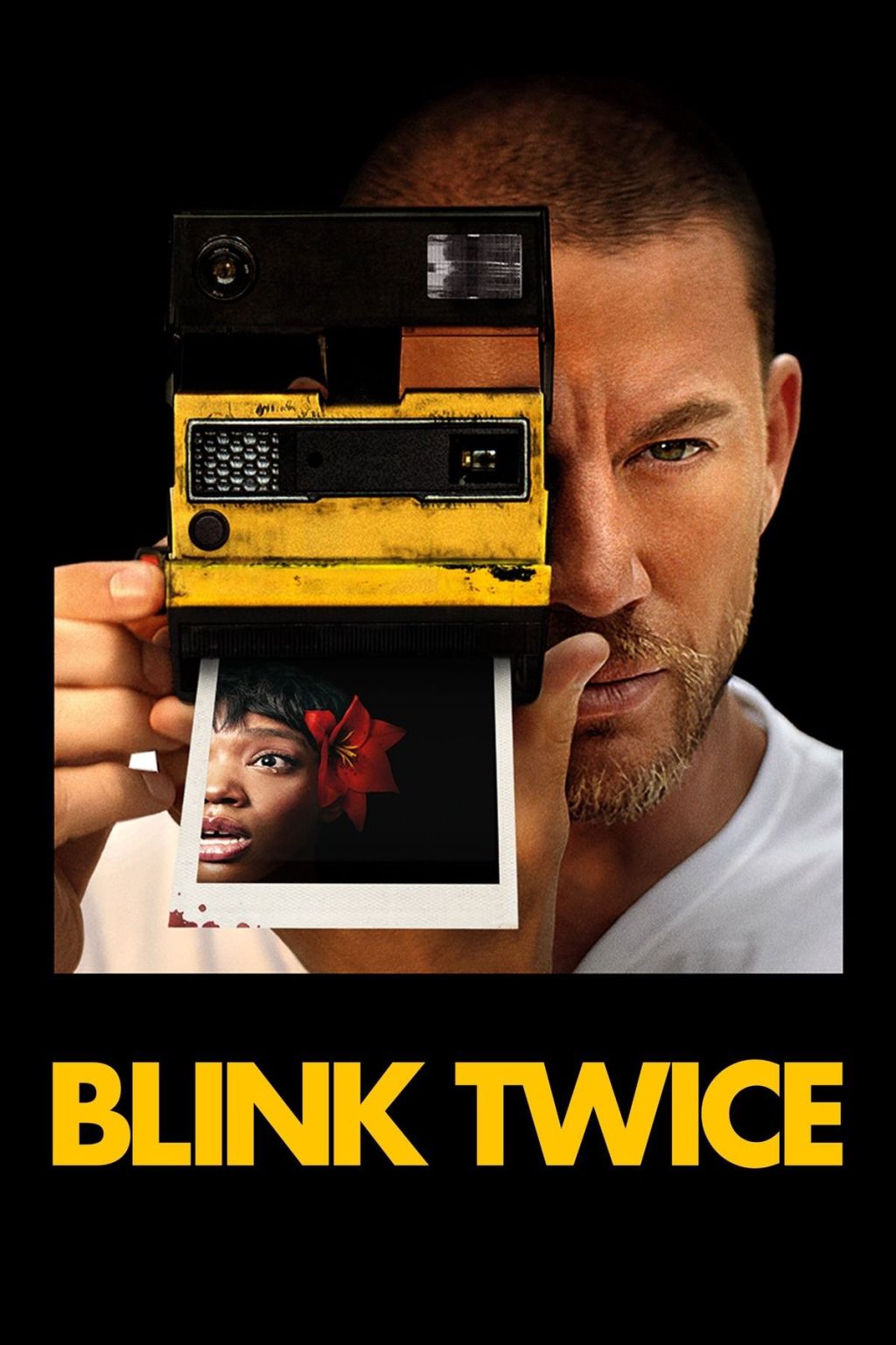


Zoe Kravitz’s directorial debut, Blink Twice, is an ambitious and stylish social thriller that marks her as a filmmaker with undeniable potential. Following Frida, a middle-class woman whisked away to a tech billionaire’s private island, the film lures viewers in with promises of a romantic, luxurious escape, only to unravel into a dark satire brimming with memory loss, mind games, and unsettling truths.
Kravitz’s direction shines, blending sharp visuals with a carefully curated atmosphere of tension and wit. The film is visually striking, with sleek cinematography that complements its narrative themes. The dialogue is razor-sharp, and the cast delivers compelling performances, creating characters that feel vibrant, even if some remain archetypal. Kravitz proves she’s more than an actor dabbling in directing—she’s a legitimate talent with a clear vision.
The Highs
One of the strongest aspects of Blink Twice is its tone. Kravitz balances biting humor with nerve-wracking suspense, capturing the unease that simmers beneath the surface of wealth and privilege. The film’s satirical edge skewers contemporary social dynamics, echoing the biting commentary of movies like The Menu and Triangle of Sadness. Its sleek production design and dynamic pacing in the first half make it a captivating watch.
The third act takes an unexpected turn into slasher territory, adding a visceral jolt to the proceedings. While the horror elements aren’t groundbreaking, they’re executed with flair and provide a sense of catharsis amidst the chaos.
The Stumbles
Despite its many strengths, Blink Twice falters under the weight of its own ambitions. The plot attempts to tackle an overwhelming number of themes—toxic masculinity, trauma, white privilege, cancel culture, and more—leaving the narrative scattered and uneven. The result is a story that feels unfocused, with some ideas explored too superficially to leave a lasting impact.
The pacing, particularly in the middle act, drags as the film leans on repetitive scenes and heavy-handed foreshadowing. This lack of subtlety diminishes the effectiveness of the film’s big twist, which, by the time it arrives, feels predictable rather than shocking. The ending, which aims for a feminist critique, undercuts its own message with a resolution that feels muddled and unsatisfying.
Familiar Ground
Blink Twice often feels derivative, echoing the themes and stylistic choices of recent satirical thrillers like Glass Onion, Don’t Worry Darling, and Triangle of Sadness. While it carries the same intrigue and opulence, it lacks the freshness or depth that made those films standout cultural critiques. Had it been released a decade earlier, it might have been revolutionary; in 2024, it feels more like a stylish rehash.
Final Thoughts
Blink Twice is a mixed bag—visually captivating and thematically ambitious, but weighed down by its unfocused execution. Zoe Kravitz’s direction is undeniably promising, and her ability to craft mood and tension suggests a bright future in filmmaking. While the film doesn’t quite land as a masterpiece, it showcases her potential to deliver something truly exceptional with a more streamlined script and clearer thematic focus.
For fans of social thrillers, Blink Twice offers an unsettling ride with flashes of brilliance. It’s worth a watch for its style and bold ideas, though its narrative shortcomings may leave you yearning for more. With the right refinements, a sequel could truly elevate this concept. For now, Blink Twice is an intriguing debut that’s as frustrating as it is fascinating.
 Cinema Trace - Short Movie Reviews
Leave a comment