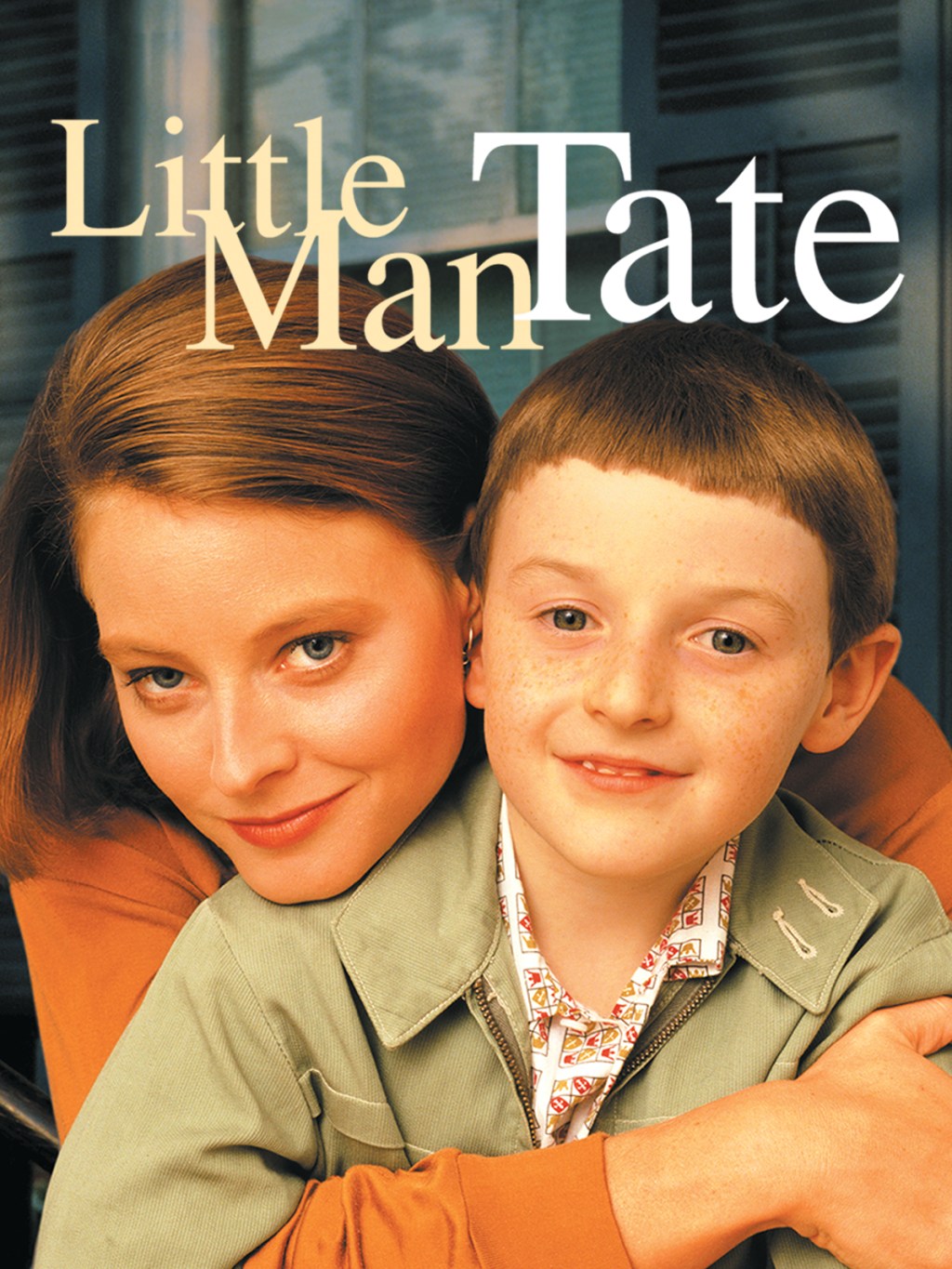


Jodie Foster’s Little Man Tate is an evocative exploration of the challenges and wonders of raising a prodigious child. Told through the lens of seven-year-old Fred Tate, the film delves into themes of isolation, maturity, and the delicate balance needed to nurture brilliance without robbing a child of their innocence. With a thoughtful narrative, the movie effectively portrays the joys and struggles of a young boy grappling with his extraordinary intellect and the contrasting approaches of the adults in his life.
Fred Tate (Adam Hann-Byrd) is no ordinary child. At an age when most children are mastering basic skills, Fred is composing profound poetry, solving advanced mathematical problems, and performing intricate musical compositions. Despite his extraordinary capabilities, Fred yearns for the simplicity of childhood—friends, acceptance, and normalcy. His mother, Dede (Jodie Foster), is fiercely devoted to treating Fred like any other child, shielding him from the weight of his intellect. In contrast, Jane Grierson (Dianne Wiest), a psychologist specializing in gifted children, believes Fred’s abilities must be nurtured, even if it means immersing him in an academic environment far beyond his years.
Jodie Foster delivers a nuanced performance as Dede, portraying a mother torn between protecting her child and allowing him to flourish. Dianne Wiest shines as the well-meaning but overly clinical Jane, whose intentions, though genuine, sometimes lack the empathy Fred craves. The standout performance, however, comes from Adam Hann-Byrd as Fred. His portrayal captures the essence of a child prodigy—brilliant yet vulnerable, yearning for connection but often misunderstood. Hann-Byrd’s ability to convey Fred’s internal struggles, from his discomfort in social settings to his longing for acceptance, brings authenticity and depth to the character. His interactions with both adults and peers highlight the unique challenges faced by gifted children, who often straddle the worlds of childhood and intellectual maturity.
The film’s narrative is both poignant and thought-provoking, as it examines the tension between treating gifted children as ordinary kids versus fostering their exceptional abilities. Fred’s journey, from excelling in a university setting to navigating friendships with his age-mates, emphasizes the importance of balance. The story underscores that while nurturing talent is essential, recognizing the emotional and social needs of prodigious children is equally critical.
Director Jodie Foster strikes a fine balance between drama and humor, ensuring that the story resonates with audiences on multiple levels. The screenplay avoids clichés, presenting Fred’s life with sensitivity and nuance. The supporting cast adds layers to the narrative, portraying a spectrum of perspectives on how best to care for a gifted child.
One of the film’s most compelling themes is the isolation that often accompanies exceptional talent. Fred’s struggles in forming connections with peers and his longing to feel “normal” are universal experiences that many can empathize with, regardless of their intellectual capacity. The movie also critiques the educational system, highlighting its inadequacy in addressing the needs of exceptional children.
Little Man Tate is a bittersweet and touching exploration of childhood brilliance. It masterfully balances moments of humor and heartache, leaving viewers with a profound appreciation for the challenges of nurturing talent while preserving the essence of childhood. This film is not just about a prodigy; it’s about the universal need for understanding, connection, and belonging.
Highly recommended, Little Man Tate is a deeply moving film that will resonate with audiences of all ages. It’s a celebration of intellect, individuality, and the enduring bond between a parent and child, making it a timeless story worth revisiting.



 Cinema Trace - Short Movie Reviews
Leave a comment