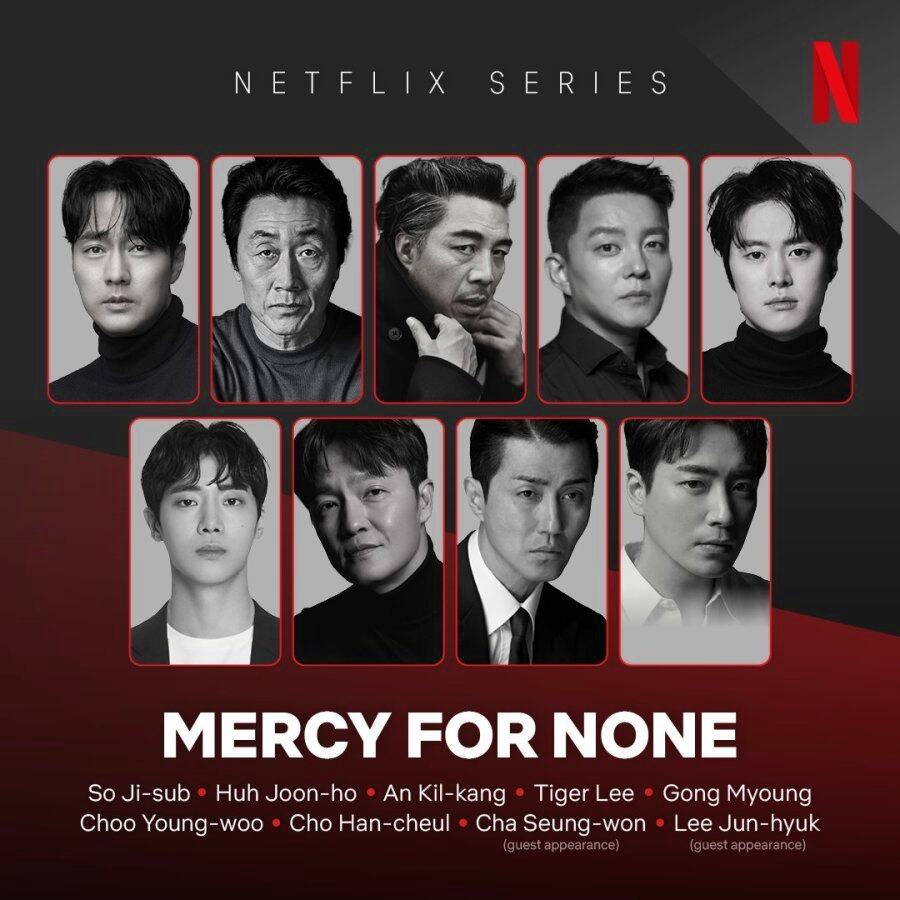


Mercy for None is a ferocious, adrenaline-fueled ride that cements its place in the pantheon of high-octane South Korean thrillers. Featuring So Ji Sub in one of his most intense and physically demanding roles to date, the series plunges viewers into a world of ruthless vengeance, underground crime, and non-stop combat that is not for the faint-hearted.
Action-Packed from Start to Finish
From the very first episode, Mercy for None wastes no time in introducing its brutal, no-holds-barred world. Whether it’s the raw hand-to-hand fights, bone-shattering brawls, or intricately choreographed blade combat, the show delivers on every beat of its promise to showcase relentless violence. So Ji Sub’s character, a lone avenger with a haunting past, uses everything from his fists to a signature baseball bat to dispatch his enemies with surgical precision and controlled fury.
The combat scenes are a masterclass in choreography. The camera work enhances the experience—fluid movements, tight angles, and long takes amplify the impact of every punch and slash. Each fight sequence is not just an action piece but also a storytelling device, revealing the protagonist’s evolving emotional and psychological state. Blood splashes, bones crack, and villains are sent flying in visceral slow motion that heightens the thrill.
Narrative and Pacing
While Mercy for None heavily leans on action, it doesn’t completely neglect its narrative. The plot, though not groundbreaking, keeps enough surprises tucked under its sleeves to remain engaging throughout. Layers of betrayal, hidden alliances, and moral ambiguity gradually unfold, ensuring the audience stays invested beyond the fights. The pacing is deliberate yet snappy, aided by the concise runtime of each episode—hovering between 30 to 40 minutes. This structure keeps the momentum alive, with little room for filler content or unnecessary diversions.
Performance and Direction
So Ji Sub is the undeniable heart of the series. His performance is not only physically impressive but emotionally resonant. He portrays a man scarred by loss and driven by purpose with remarkable restraint and intensity. His presence dominates the screen, whether he’s silently contemplating his next move or furiously battling ten men in a dingy warehouse.
The direction by the series’ showrunner complements So Ji Sub’s performance. It borrows the best elements of Korean noir and gangster cinema—moody lighting, pulsating background scores, and a gritty urban aesthetic that immerses viewers in a dark, violent underworld.
Visual and Technical Strengths
Visually, Mercy for None is a treat for fans of stylized violence. The production design features run-down warehouses, neon-lit backstreets, and blood-soaked interiors that match the grim tone of the story. The sound design, particularly during fight scenes, adds weight to every impact, making the viewing experience immersive and, at times, downright brutal.
Final Verdict
Mercy for None isn’t for everyone. It revels in violence and wears its bloodlust like a badge of honor. But for fans of gritty, action-heavy thrillers with intense performances and top-tier fight choreography, this web series is an absolute must-watch. Its combination of well-executed storytelling, fast pacing, and jaw-dropping action sequences makes it a standout addition to South Korea’s growing action-drama catalogue.
Rating: 4.2/5
Recommended for: Fans of The Night Comes for Us, My Name, and Oldboy-style hand-to-hand combat narratives.
Not recommended for: Viewers who prefer light-hearted drama, minimal violence, or slower character-driven storytelling.


 Cinema Trace - Short Movie Reviews
Leave a comment