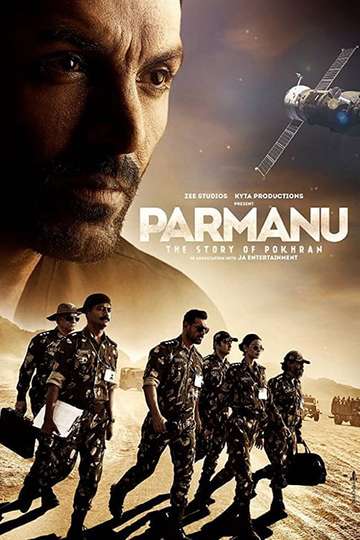


Directed by Abhishek Sharma, Parmanu is a gripping political thriller inspired by the real-life nuclear tests conducted by India in 1998 at Pokhran. Featuring John Abraham, Diana Penty, Boman Irani, and Anuja Sathe in key roles, the film chronicles a defining chapter in Indian history—the moment India asserted itself as a nuclear power on the global stage.
To be honest, expectations going into the film can be low. A story about nuclear testing may sound overly technical or dry on paper. But Parmanu proves that perception wrong almost immediately. What unfolds is a tightly paced narrative that blends suspense, emotion, and patriotism in equal measure. From the planning stages to the execution of the tests, the film keeps the audience engaged with constant developments, covert operations, and high-stakes decision-making—all under the watchful eyes of global intelligence agencies, particularly the CIA.
One of the film’s biggest strengths is its sense of urgency. The secrecy surrounding the mission, the pressure from international surveillance, and the race against time are portrayed effectively, giving the film a thriller-like intensity. Alongside this tension, the emotional undercurrent—especially the sacrifices made by scientists, engineers, and their families—adds depth and human value to the story. The patriotic tone is strong but largely restrained, making it impactful rather than preachy.
John Abraham delivers one of the finest performances of his career. His portrayal of a determined and principled officer is confident, controlled, and convincing. As both the lead actor and producer, his commitment to the project is evident. Despite production hurdles and delays that once threatened the film’s release, his persistence ensured that this important story reached audiences—a commendable achievement in itself.
Diana Penty fits naturally into her role, bringing both grace and sincerity to her character. Her performance feels balanced and effective without being overplayed. Anuja Sathe leaves a strong impression as the protagonist’s wife, portraying quiet strength and emotional resilience. Boman Irani, as expected, is outstanding. His dialogue-heavy scenes with John Abraham are among the film’s highlights, marked by sharp writing and powerful delivery. The supporting cast, especially the team nicknamed the “Pandavas,” adds warmth, humor, and energy, keeping the film engaging throughout.
The music composed by Sachin–Jigar complements the narrative well, with folk-inspired tracks adding a Rajasthani flavor that suits the setting. “Sapna,” sung by Arijit Singh, stands out for its emotional resonance. Cinematography deserves special mention—the vast deserts, sandstorms, and isolated landscapes enhance the tension and authenticity of the story. Recreating the 1998 setting is no easy task, but the production design convincingly captures the era. While the nuclear blast sequence could have been more visually impactful, it still serves its purpose effectively. The use of archival footage, including Atal Bihari Vajpayee’s speech, adds realism and emotional weight.
Overall, Parmanu is a film that deserves to be seen. It instills a sense of pride while also functioning as a well-made thriller. More than just a patriotic film, it is a tribute to India’s scientists, engineers, and unsung heroes who worked behind the scenes to shape the nation’s future. Abhishek Sharma and John Abraham deserve appreciation for presenting this historic achievement in an engaging cinematic format.
A compelling and inspiring retelling of the Pokhran story—Parmanu is a must-watch.



 Cinema Trace - Short Movie Reviews
Leave a comment